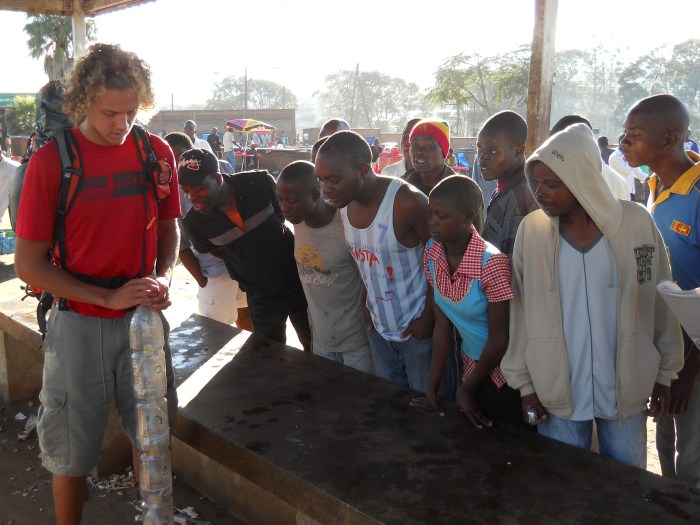
Teaching mathematics for two years across a major language barrier forced me to be conscious of how the technical concepts, equations, and graphs I presented were being perceived by students speaking limited English. I simplified the universal language of mathematics to its most elementary concepts, and varied the medium of my lessons between numerical process, hands-on tasks, and visual graphs. I continue to use the skills developed as a teacher in my professional work as an engineer, creating engineering that is easy to follow.
Peace Corps service was something I had dreamed of doing since I was in high school, drawn to the experience through a personal curiosity of the world and a desire do meaningful work. The organization assigned me to the small East African country of Malawi where I served as a high school math teacher in the village of Luviri.
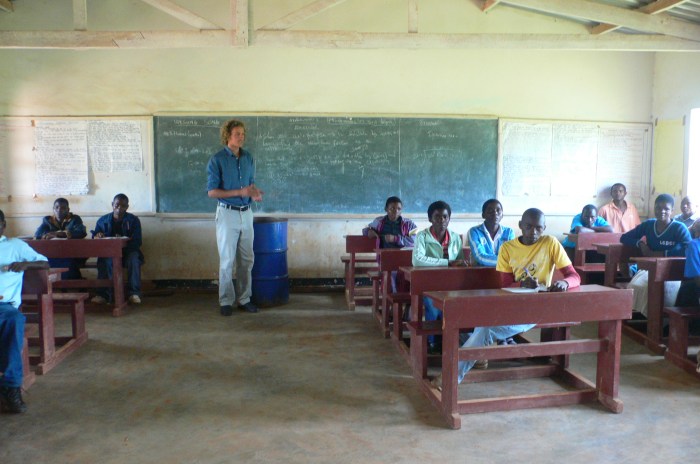
Teaching was challenging, especially at first. The very BEST high school freshmen were at a 3rd grade reading level, and English was never their first language. Still, English was the language of the school and on the final exams, so math class quickly became math-and-English class. To break through the thick language barrier, visual and hands-on methods of conveying information became increasingly important. It was a joy for me to see my students develop and to experience myself develop alongside them as a teacher.
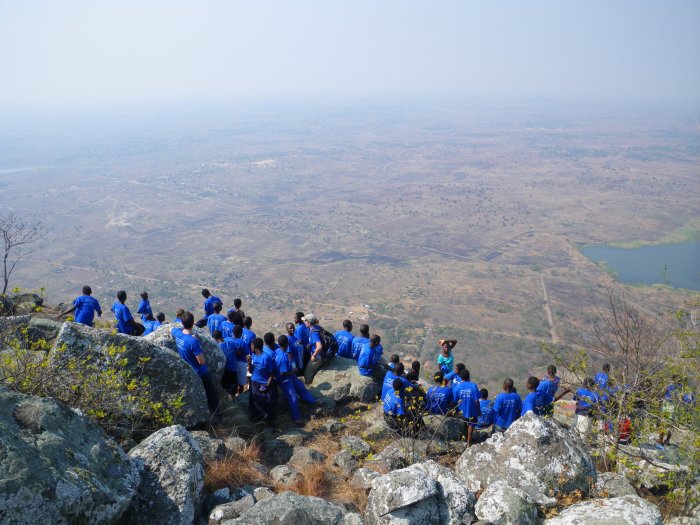
The picture below was taken from the top of Mt. Kasungu during Camp Sky, a summer camp me and fellow Peace Corps teachers put on for some of our best students from around the country.
My first two months involved a crash course in the Chitumbuka language and techniques on how teach effectively. After that, for the next two years, I lived by myself in the village of Luviri, 120 km (75 mi) from Malawi’s third largest city of Mzuzu, in the north of the country.
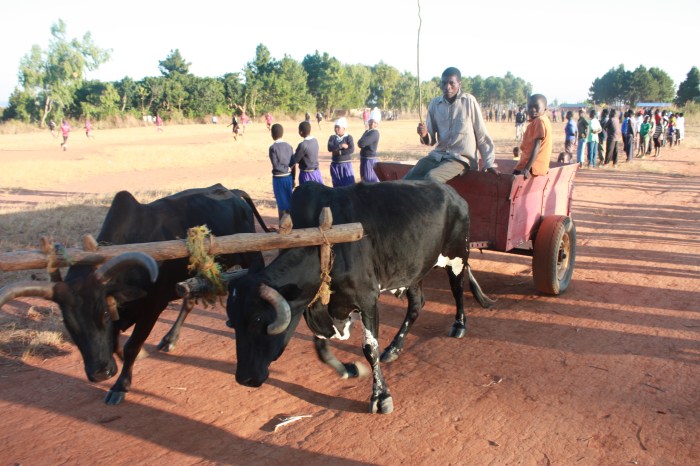
Finding a routine was an essential part of daily life. Without electricity or running water, everyday tasks like making food needed to be planned well in advance. Only Wednesdays provided a weekly market and a makeshift restaurant to visit, but often, walking around the village at lunch time might bring about a much-welcomed invitation to sit down for some “sima na dende”: a thick corn porridge dipped in an oily stew of green-leafed veggies.
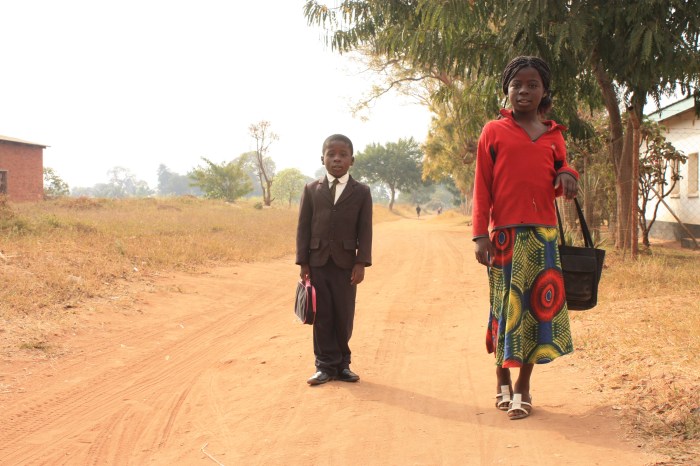
Malawians pride themselves on their friendliness. Walking past someone without offering a greeting is an offense. There are smiles and laughter down every path and around every tree. One of my favorite memories was sitting outside and hearing a group of my students walk past on their way home from school. Without warning, their small talk would burst into impulsive song, and it remains these simple joys in everyday life that keep me dreaming my way back to Africa many years later.
 Haakon Ogbeide